
What tree services does Patriot Outdoor Services provide?
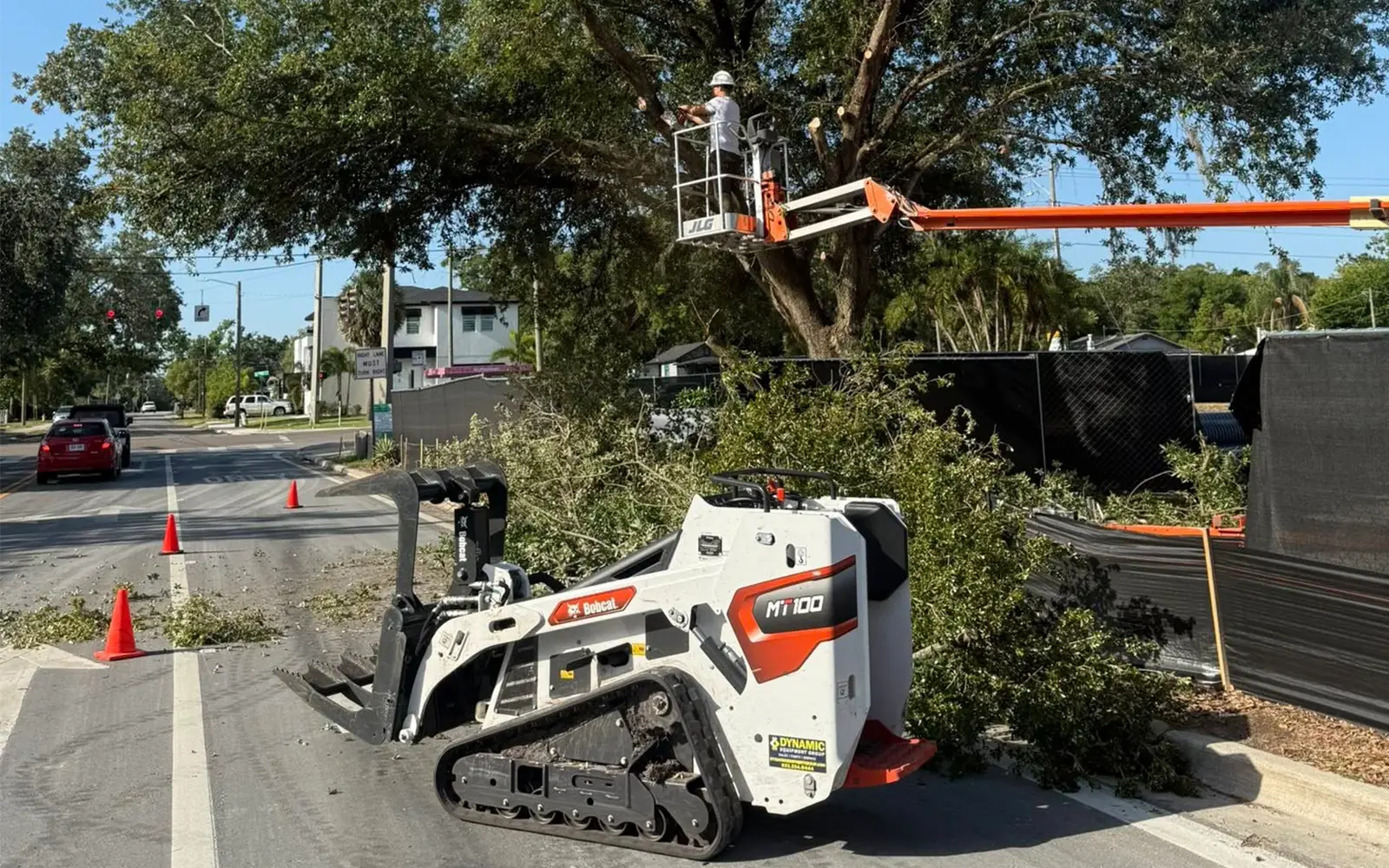
Patriot Outdoor Services provides residential and commercial tree trimming, tree removal, stump grinding, cable-line clearance, brush removal, and storm-damage cleanup across the Tampa Bay area. Every estimate starts with the tree, the drop zone, and the surrounding property—not a one-size-fits-all price. The team identifies access limits, nearby structures, landscape features, and debris volume before recommending a practical scope of work. Trimming focuses on hazardous, damaged, crossing, or overextended limbs. Removal planning accounts for controlled sectioning and cleanup when a tree cannot be dropped in one piece. Stump grinding and brush hauling can be added when the goal is to reclaim usable ground. For urgent storm work, homeowners should keep clear of hanging limbs and downed lines, then call or text for availability. Patriot Outdoor Services is family-owned, licensed, bonded, and insured, and provides free estimates throughout its Tampa Bay service area.
What the service can include
A tree estimate should account for the whole property
Tree work is not just about the trunk or branch in front of you. A responsible plan also considers rooflines, vehicles, play areas, septic components, neighboring property, soft landscaping, and the path crews will use to move material out. That is why Patriot Outdoor Services evaluates access and cleanup before work begins. A narrow gate, screened pool, or backyard with no direct equipment route changes how the work should be staged.
The estimate also clarifies what stays and what leaves. Some customers want only a hazardous limb removed. Others want the tree, stump, surface roots, brush, and resulting debris handled as one coordinated project. Defining that scope up front prevents surprises and helps the crew protect the parts of the yard that are not being changed.
When trimming is appropriate—and when removal may be safer
Trimming is often the right option when a healthy tree has deadwood, crossing branches, roof interference, visibility problems, or isolated storm damage. Good trimming is selective. It should improve safety or clearance while preserving enough live canopy for the tree to respond well. Excessive topping can create weak regrowth and a larger maintenance problem later, so Patriot Outdoor Services focuses on the specific reason for the cut.
Removal may be the more practical choice when the tree is dead, severely compromised, uprooting, repeatedly dropping major limbs, or located where continued growth creates an unacceptable conflict. The team does not diagnose tree diseases as a consulting arborist, but it can explain the visible site conditions, the work required, and when an arborist or utility provider should be involved before proceeding.
Cleanup is part of the result
A tree job is not finished when the last cut is made. Limbs must be processed, wood moved, and the work zone left usable. Patriot Outdoor Services discusses haul-away, chipping, brush removal, and stump grinding during the estimate so customers understand the complete result. If you want usable logs left on site or mulch placed in a particular area, mention that before work is scheduled.
Storm work requires extra caution. Never approach branches resting on electrical conductors, and do not assume a downed line is inactive. Contact the utility first for electrical hazards. Once the area is released and safe for private cleanup, the team can assess accessible tree and debris work and explain current scheduling availability.